Dry Needling in California: Why PTs Don’t Offer It & What Works Instead
Dry Needling in California: What You Need to Know (And What We Do Instead)
If you’ve been searching for dry needling in San Diego, you’re not alone. It’s one of the most commonly requested services we get asked about.
So let’s clear things up, what it is, why people want it, and what your options are here in California.
What Is Dry Needling?
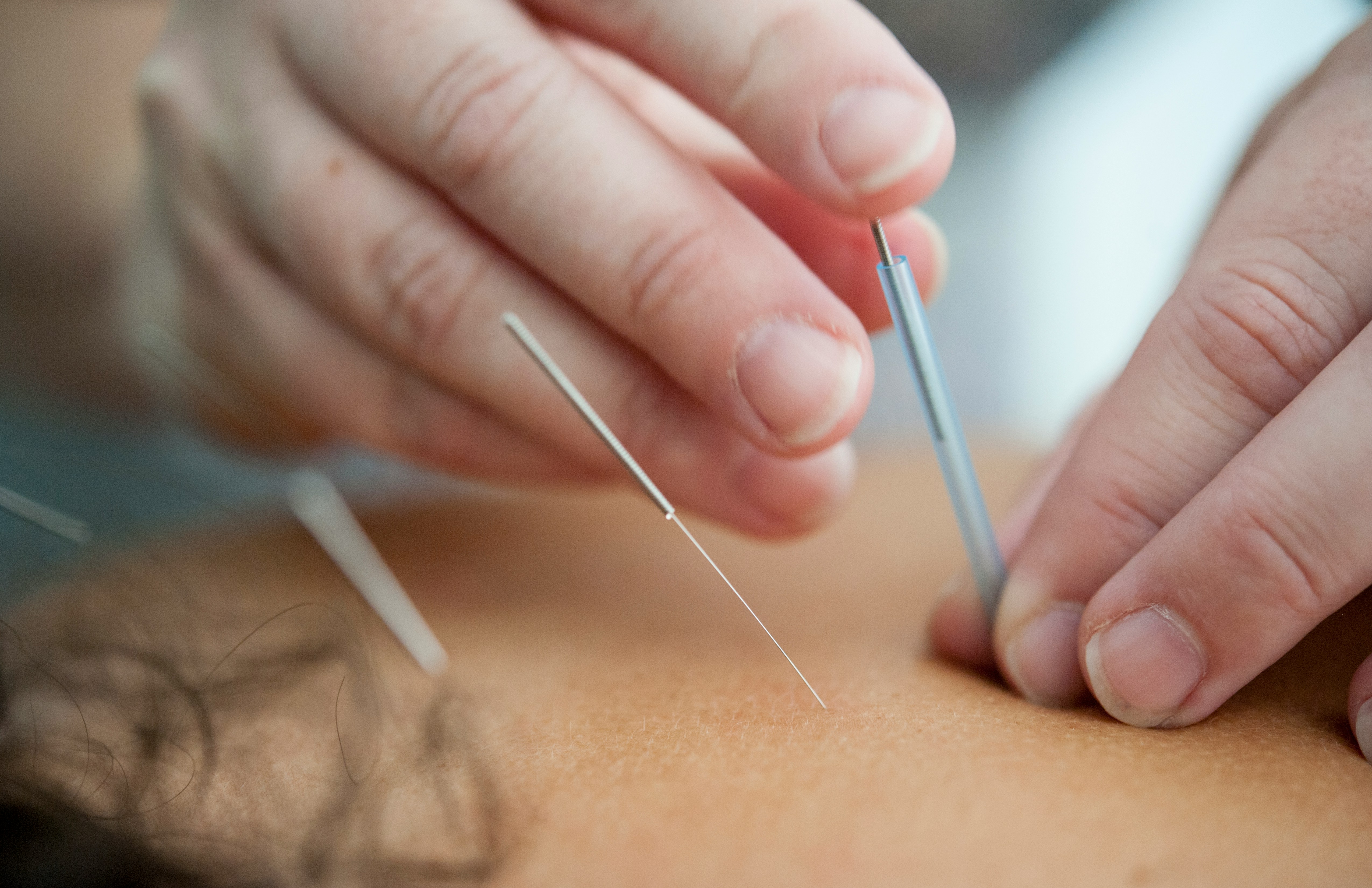
Dry needling is a technique used to treat muscle tightness and trigger points (those deep “knots” that can cause pain and limit movement). It involves inserting a thin needle into the muscle to help release tension and improve function.
It’s often used for:
Muscle tightness and spasms
Chronic pain
Limited mobility
Why Do People Like Dry Needling?
There’s a reason it gets so much attention. When used appropriately, dry needling can be effective for a few key reasons:
1. It Targets Trigger Points Directly
Dry needling goes straight into the muscle knot, helping release tension at its source.
2. It Can Reduce Pain Quickly
Many people report rapid relief after treatment, especially with stubborn or long-standing muscle tightness.
3. It Helps Improve Mobility
By releasing tight muscles, it can make movement feel smoother and less restricted.
Why You Won’t Find Dry Needling in California Physical Therapy Clinics
Here’s the part that surprises most people:
Physical therapists in California are not allowed to perform dry needling.
This comes down to state regulations and scope-of-practice laws. While PTs in many other states can offer dry needling, California currently does not permit it.
The Good News: You Have Effective Alternatives
Just because dry needling isn’t available doesn’t mean you’re missing out on results.
At our clinic, we use techniques that achieve similar (and often longer-lasting) outcomes, without needles.
Here are some of the most effective options:
Trigger Point Therapy (Hands-On Release)
We apply precise, sustained pressure directly to tight muscle knots to release tension and restore normal muscle function.
👉 Many patients are surprised that this can feel very similar to dry needling, without the needle.
Cupping Therapy (Especially Dynamic Cupping)
Cupping uses suction to lift and decompress tissue, improving blood flow and reducing muscle and fascial restrictions.
When combined with movement (dynamic cupping), it helps restore mobility in a more functional, real-world way.
IASTM (Instrument-Assisted Soft Tissue Mobilization)
Also known as “scraping,” this technique uses specialized tools to:
Break down scar tissue
Improve circulation
Restore tissue mobility
It’s especially effective for chronic tightness and old injuries.
Joint Mobilization
Sometimes the issue isn’t just the muscle, it’s how the joint is moving.
We use targeted joint techniques to reduce stiffness and improve overall movement, which often relieves the muscle tension causing the problem in the first place.
The Bigger Picture: It’s Not About the Tool
Dry needling is just one tool.
What actually matters is:
Identifying the root cause of your pain
Using the right combination of treatments
Helping your body move better long-term
That’s where working with a skilled physical therapist makes all the difference.
Not Sure What You Need?
If you’ve been dealing with tight muscles, pain, or limited mobility, and were considering dry needling, we’d be happy to help you find the right solution for your body.
Even without needles, there are highly effective ways to get you back to doing what you love, pain-free.